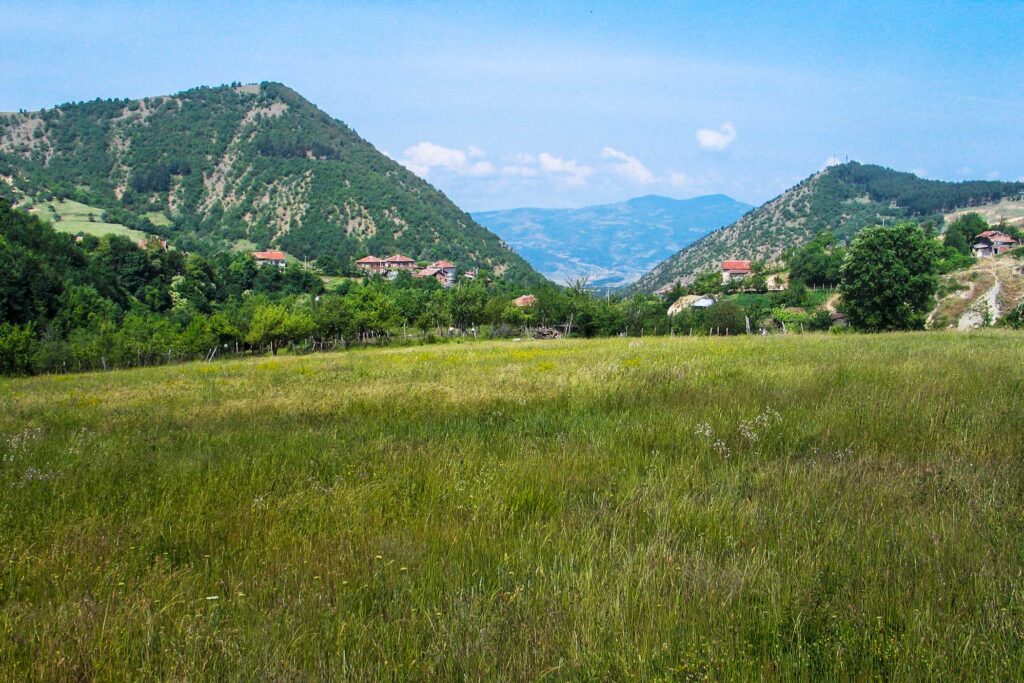
The village of Brezhani is located on the north-western slopes of the Northern Pirin, at an altitude of about 550 m. It is located in the Simitli municipality, 11 km south-east of the town of Simitli. The Brezhanska river (Rzhana), which is a left tributary of the Struma River, flows through the village. Until 1934, the village was called Serbinovo. In the past, coal was mined in Brezhani, as the territory of the village is part of the Brezhani coal district.
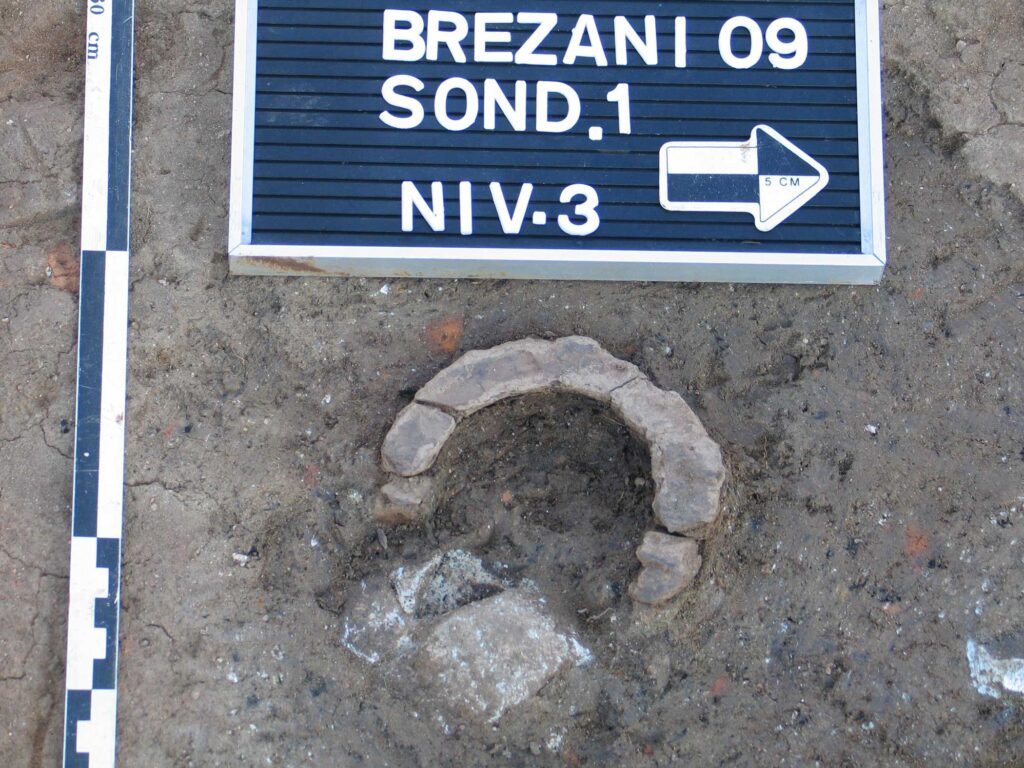
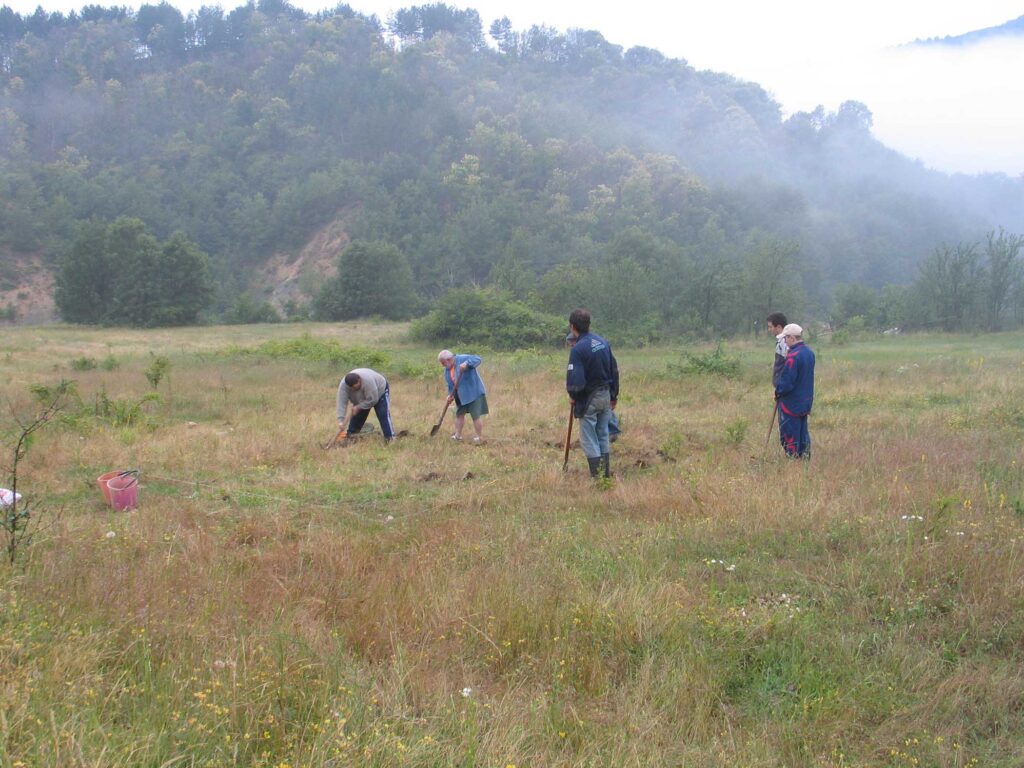
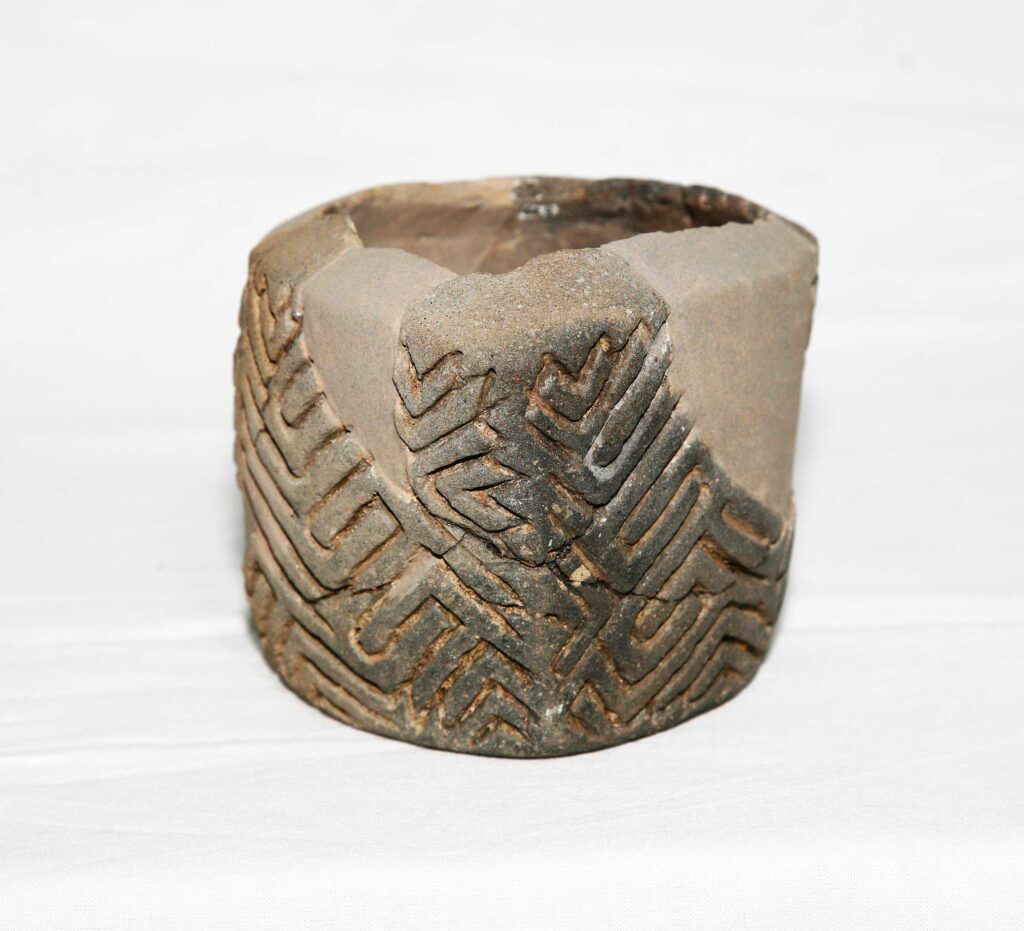
The surroundings of Brezhani are rich in history and archaeology. East of the village, in the area of Raven locality, are situated the remains of a prehistoric settlement as indicated by fragments of ceramic vessels and stone objects. A Late Antique necropolis from the 2nd-4th centuries AD has been excavated in the area of Kacheva. According to the locals, there was a Roman bath in the area of Banishteto north of Brezhani. Unfortunately, the mineral water disappeared when the coal seam was ignited. In the area of Manastirishteto (north of Brezhani) and in the area of Markov Rid (Tsiganski Rid), north-west of the village, there are ruins of buildings and boundary walls from the Middle Ages. There are several medieval shrines around the village dedicated to the “Mother of God”, “St. Marena”, “St. Petka”, and “St. Spas” among others. Many Roman and fewer Western European coins (XVII – XVIII centuries) were found around Brezhani. The livelihood of the population in the 19th century relied on agriculture (cereal crops, cotton, poppy, tobacco) and animal husbandry. A primitive school was opened in the village in 1831, followed by a new Bulgarian school in 1869. The church of “St. Dimitar” was built in 1847. It was burned down in 1912 and later restored. Not far from the village along the Mount Pirin slopes passed the so-called “wine road” that connected the centre of wine production region of Melnik to the city of Bansko in the valley of the Mesta River. This road has existed since the Middle Ages, and it probably follows an even earlier one from Antiquity. This is evidenced by the ruins of an ancient fortress in the locality of Gradishte,in the neighbouring village of Senokos, and the remains of cobblestones, probably from the same time, found at the foot of the fortress.
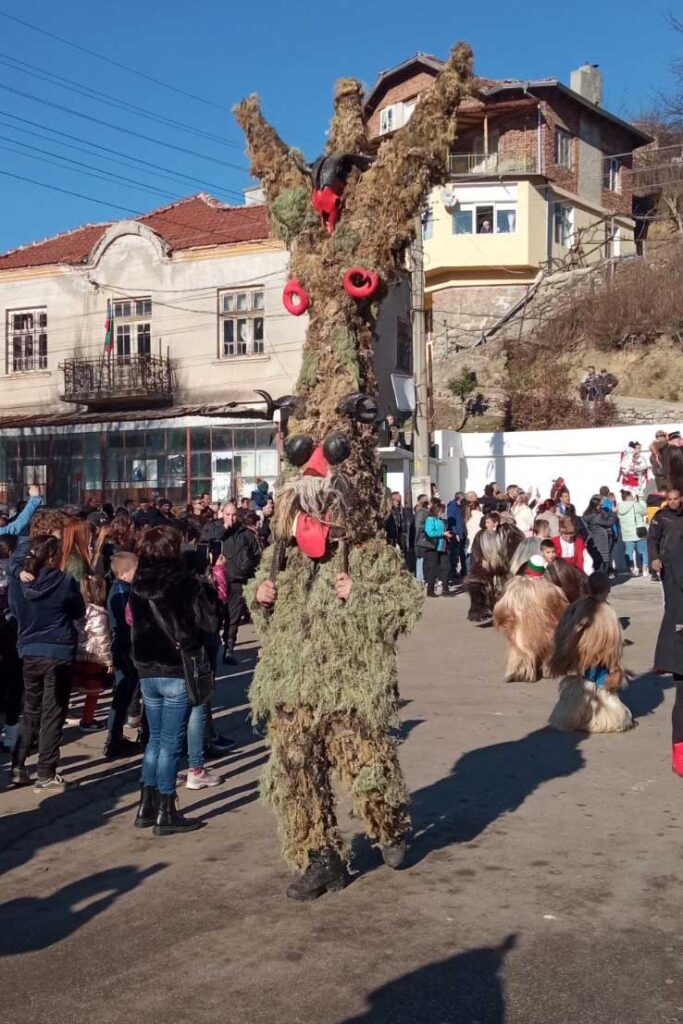
Every year on January 1, Surva is celebrated in Brezhani. The holiday is very important to the residents and is appropriately celebrated with lavishly made costumes – the so-called babugeri. It was believed that babugers would expel evil forces and spirits from people’s homes. Babuger costumes are mainly made of goat hides, the longer the fibres of the hides, the more valuable the costume. The costumes which are the most original and typical of Brezhani are made of forest moss and lichen, which in the past were attached to wooden constructions called surats (face and head masks), which were typically larger than one meter high, often ending in horns, and were furnished with cattle bells tied at the waist.
There are chestnut forests near Brezhani. Every year in the month of October, the village celebrates the chestnut festival by setting a large table in the centre of the village covered by various dishes prepared with chestnuts.
Sources:
Encyclopedia Pirinski krai [Encyclopaedia Pirin Region, in Bulgarian], volume I. Blagoevgrad, 1995.
Ivanova-Ikonomova, L. Novogodishni maskirania v Gornodzhumaisko (ot vtorata polovina na XIX do sredata na XX vek [New Year’s Masks in Gorna Dzhumaya region (from the second half of the XIX to the middle of the XX century, in Bulgarian]. — Bulgarian Ethnology, 2, 1992, 69-78.
Milenkov, St. Duhovna kultura I folklore na selo Brezhani, okrug Blagoevgradski [Spiritual culture and folklore of the village of Brezhani, Blagoevgradski district (in Bulgarian)]. Unpublished M.A. thesis, 1969. RHM-Blagoevgrad-NA.
Stoimenova, S., Panova, R. Starodavni I zhivi (Ancient and living, in Bulgarian). 2020.
Brezhani
Brezhani