The finds
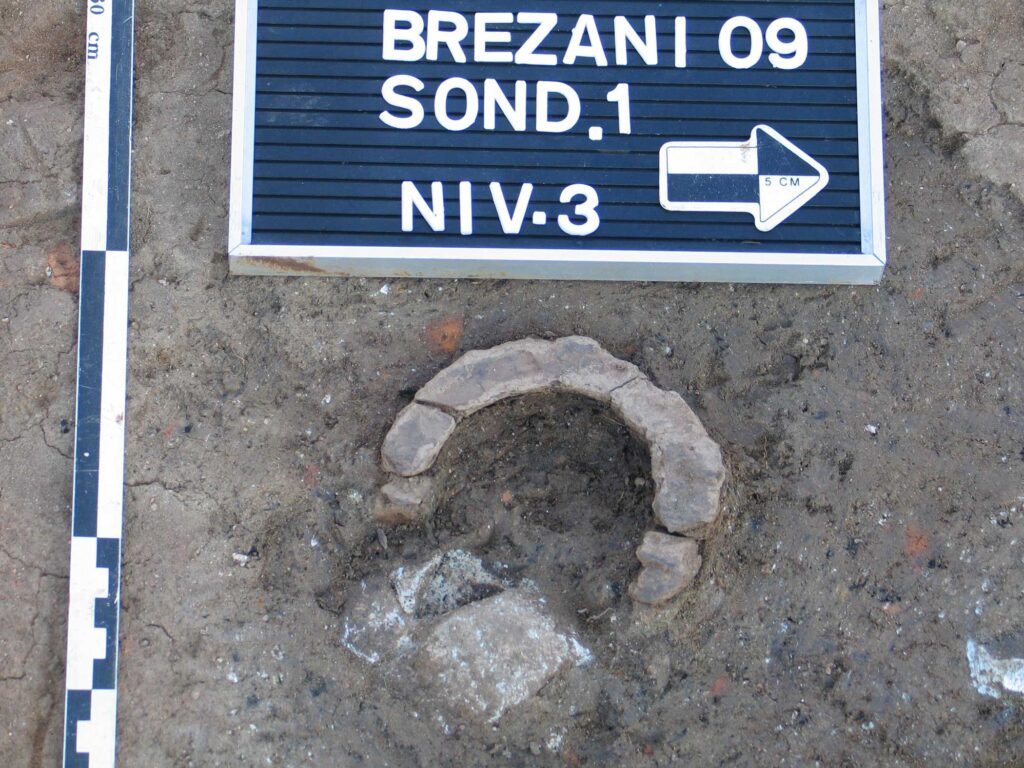
The small finds from Brezhani, found during the archaeological excavations in 2009, are mainly comprised of types common to most prehistoric sites of the region, and they are not numerous (only 33 items). There are hardly any objects traditionally associated with cult practices such as figurines and altars among them, and the main group consists of stone tools, including those made of flint. However, some of them provoke special interest.
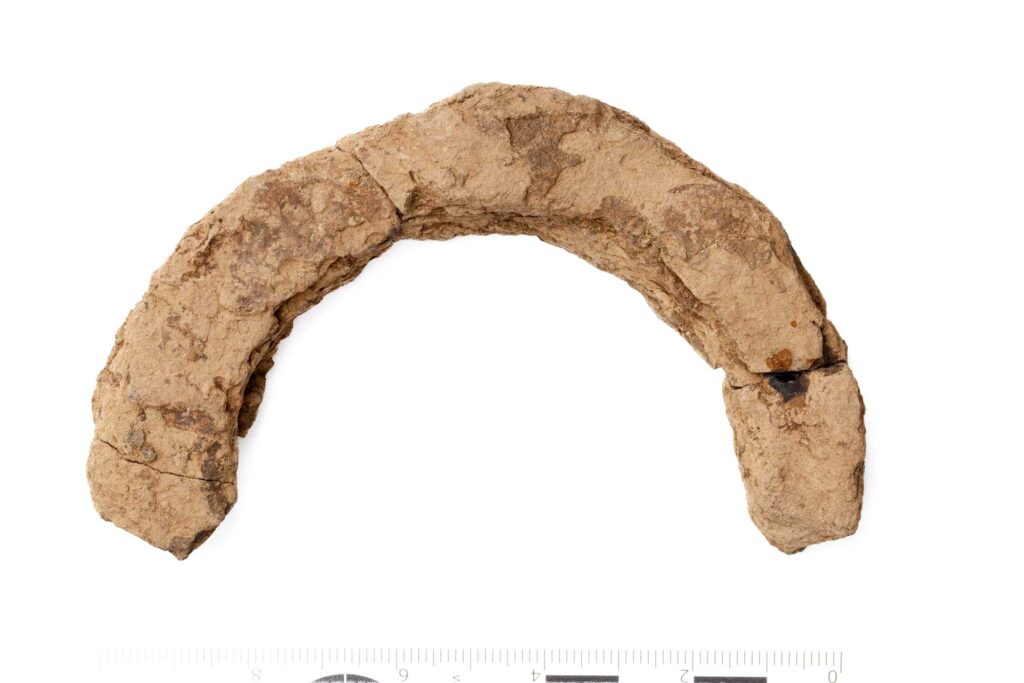
In trench 1 alone, four circular, bracelet-like objects made of schiste – a type of rock characterized by a thin layered structure – were found in the last burnt settlement layer. Some of them were found on the floor of an Early Neolithic dwelling. Beyond doubt these “bracelets” had some purpose, but what was it? The fact that similar objects have not been found in other Early Neolithic settlements makes their presence even more intriguing.
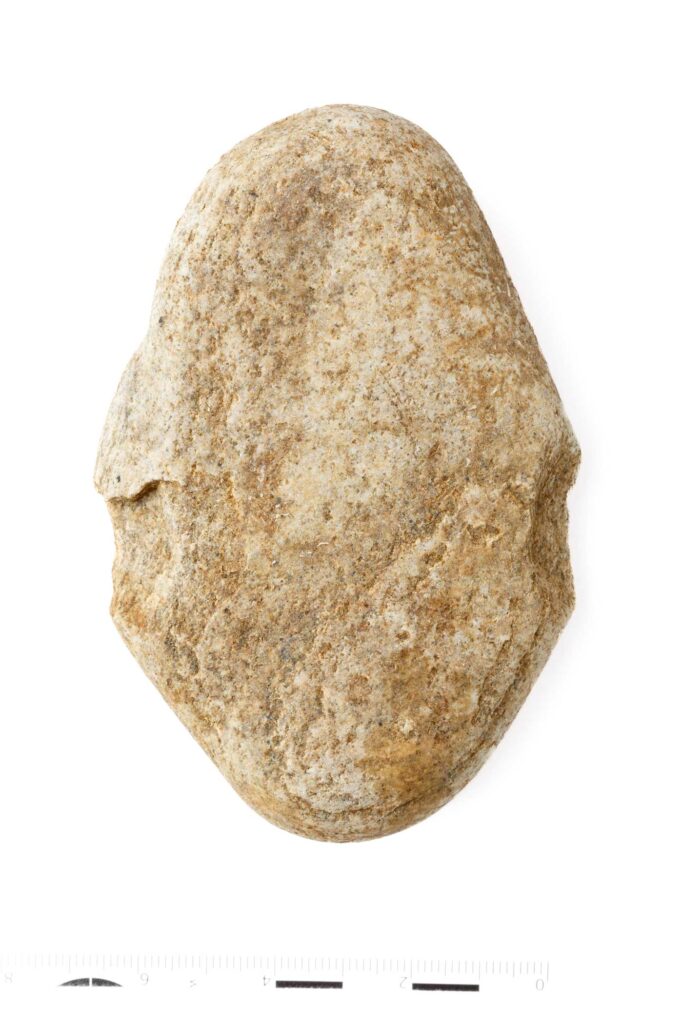
Another highlight of the collection is a stone weight with an oval shape and two lateral depressions at its widest part. This is the earliest known stone weight with this shape to appear in an Early Neolithic settlement. Some of the earliest comparable finds are known from the prehistoric settlement of Ohalo II in Israel, dated to 19,500 BP where they were identified as fishing net weights. Could it be that the weight from Brezhani performed a similar function?
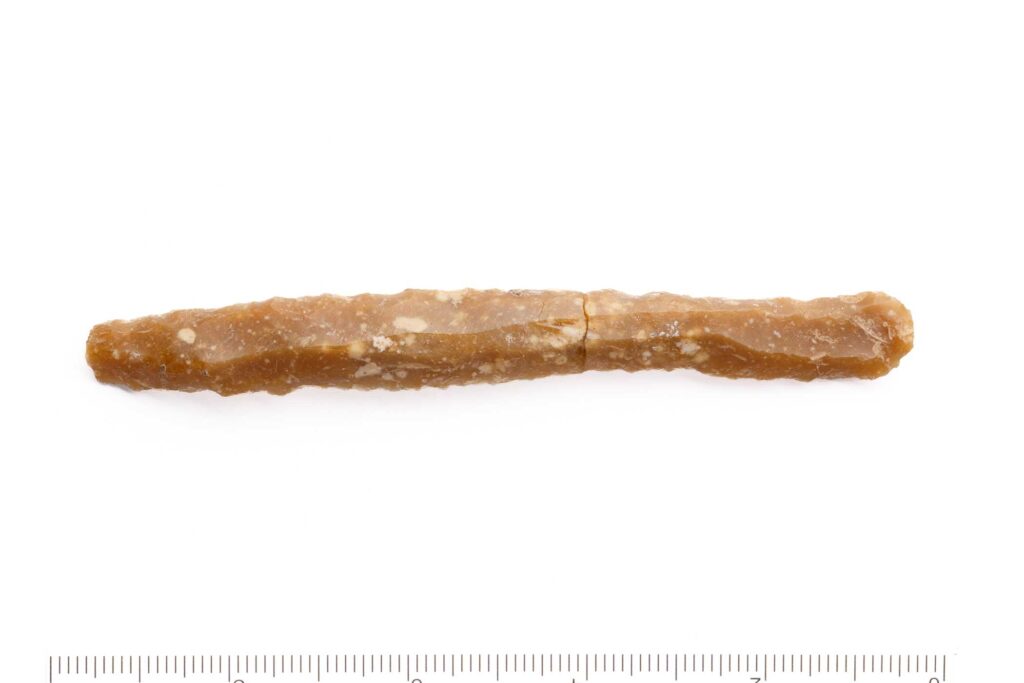
The other notable items include four flint tools, three of which were made of the so-called “Balkan flint”, a characteristic flint type whose outcrops are only known from Northern Bulgaria in the area of Nikopol on the Danube, at a distance of about 500 km from Brezhani. We can only guess whether these flints were brought to Brezhani as a gift, a precious commodity, or exchanged for other objects. Yet, they bear witness to the fact that regardless of its seemingly isolated location, the settlement maintained contacts with other contemporary sites and relied on extensive network for supply of vital materials and instruments.