Archaeobotanical research in Brezhani and Drenkovo
Elena Marinova
The archaeobotanical studies conducted provide a variety of information on the agriculture, plant subsistence, land use and also architecture of the sites. The archaeobotanical material studied from the cultural layers consists mainly of charred seeds, fruits and charcoal fragments.
The samples from Brezhani correspond mainly to remains deposited gradually in the cultural layer. During the Early Neolithic at Brezhani the main cereal crop was einkorn wheat (Triticum monococcum).

The results of the wood charcoal analysis at Brezhani show a predominance of oak, but charcoal fragments of other species show that open woodland or light-demanding shrubs were also of great importance. This indicates that the landscape near the site was not only covered by oak woodland, but also some open vegetation species were available in the area, most probably they represent some relicts of the steppe vegetation which was dominant up until the Late Glacial period in the region.
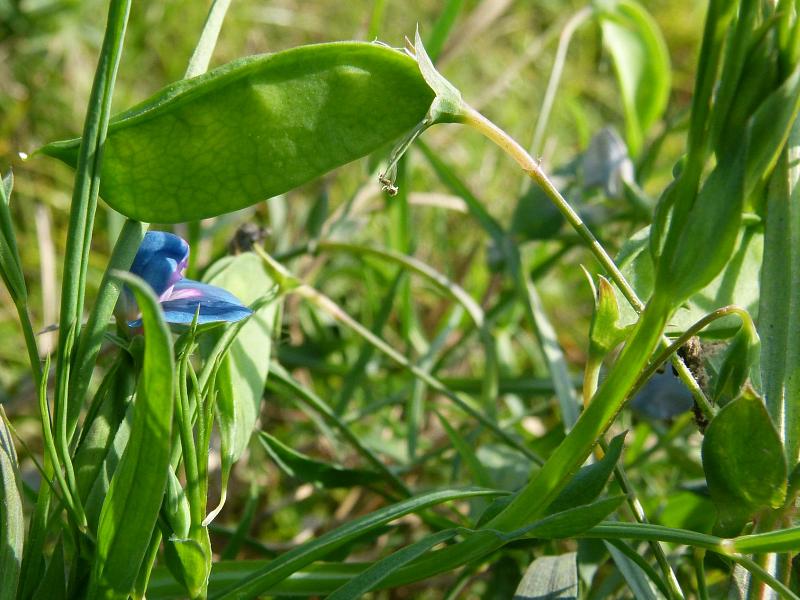
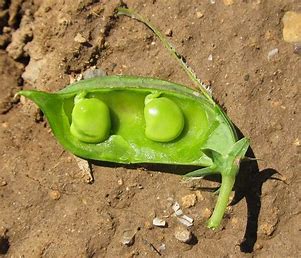
The archaeobotanical finds from the Late Neolithic site of Drenkovo I come most probably from the storage facilities made for crops like hulled wheat and grass pea, but it seems that there einkorn wheat was the main cereal crop.
The wild growing plants collected by the inhabitants of the sites are mainly comprised of fruits and nuts. The most commonly collected plant is the cornelian cherry, but also several others like plum, hazelnut etc.
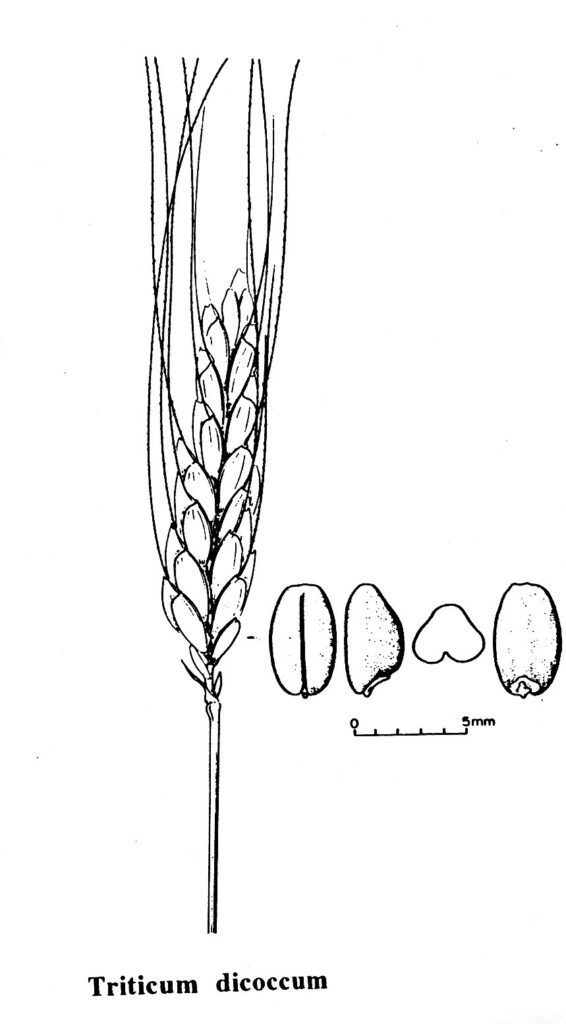
In Drenkovo II the baked daub pieces preserved plant impressions of two types of wheat – mostly einkorn (Triticum monococcum) followed by emmer (Triticum dicoccum) and more rarely, barley (Hordeum vulgare). The abundance of grinding stone fragments on the surface further attest the importance of cereal processing at the site.

Bibliography
Lichardus-Itten et al. 2002: M. Lichardus-Itten, J.-P. Demoule, L. Perniceva, M. Grebska-Kulova, I. Kulov. The site of Kovačevo and the Beginnings of the Neolithic period in Southwestern Bulgaria. The French-Bulgarian excavations 1986-2000. – In: M. Lichardus-Itten, J. Lichardus, V. Nikolov (Eds.). Beiträge zu Jungsteinzeitlichen Forschungen in Bulgarien. Bonn, 2002, 99-158.
Marinova 2006: E. Marinova. Vergleichende paläeoethnobotanische Untersuchung zur Vegetationsgeschichte und prähistorischen Landnutzung in Bulgarien. Dissertationes Botanicae, 401, Stuttgart, 2006
Marinova & Thiebault2008: E. Marinova, and S. Thiebault. Anthracological analysis from Kovacevo, southwest Bulgaria: woodland vegetation and its use during the earliest stages of the European Neolithic. Vegetation History and Archaeobotany, 17, 2008, 223-231
Marinova in press: E. Marinova. Archaeoboanical analysis of Neolithic plant macrofossils from Bâlgarčevo (SW Bulgaria) In: Perniceva, L. Grebska-Kulowa, M., I. Kulow (eds) Balgarchevo. Volume 2.
Гребска-Кулова, Кулов 2004: M. Гребска-Кулова, И. Кулов. Сондажни проучвания на праисторическото селище при с. Дренково, м. Площеко, Благоевградско. – Археологически открития и проучвания през 2003 г., 2004, 26.
Гребска-Кулова, Кулов 2010: М. Гребска-Кулова, Ил. Кулов. Раннонеолитното селище при с. Брежани-Равен. – Археологически открития и разкопки през 2009 г. София, 2010, 42-44.
Гребска-Кулов et al. 2011: М. Гребска-Кулов, Л. Саланова, Ил. Кулов, Ж. Биеге, Л. Гомар. Раннонеолитното селище при с. Илинденци, м. Масовец, община Струмяни (The Early Neolithic settlement of Ilindentsi, Strumyani). – Археология (София), кн. 1, 2011, 25-43.
Попова. 2001: Ц.Попова. Изследване на археоботаничен материал. –In: C. Чохаджиев (ed.). Ваксево – праис торически селища. Велико Търново,2001, 31-32