Pottery
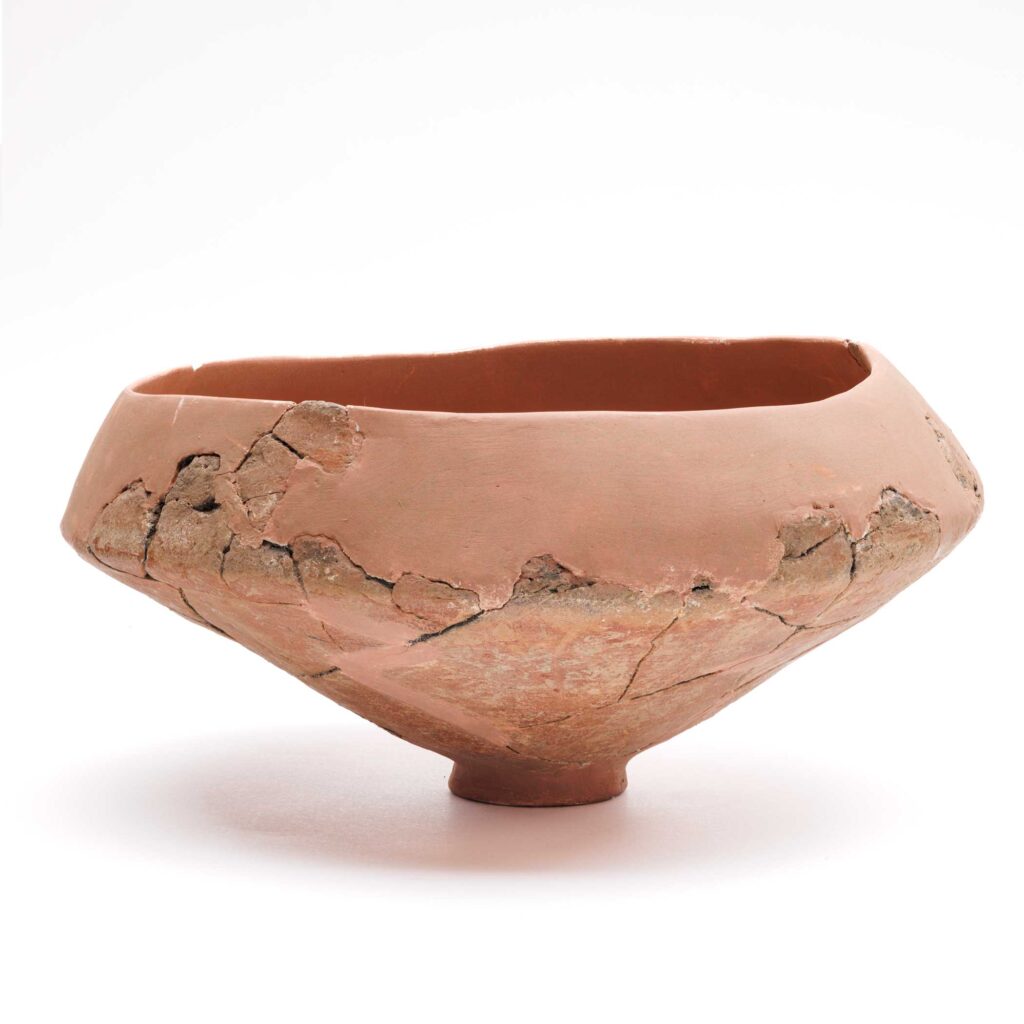
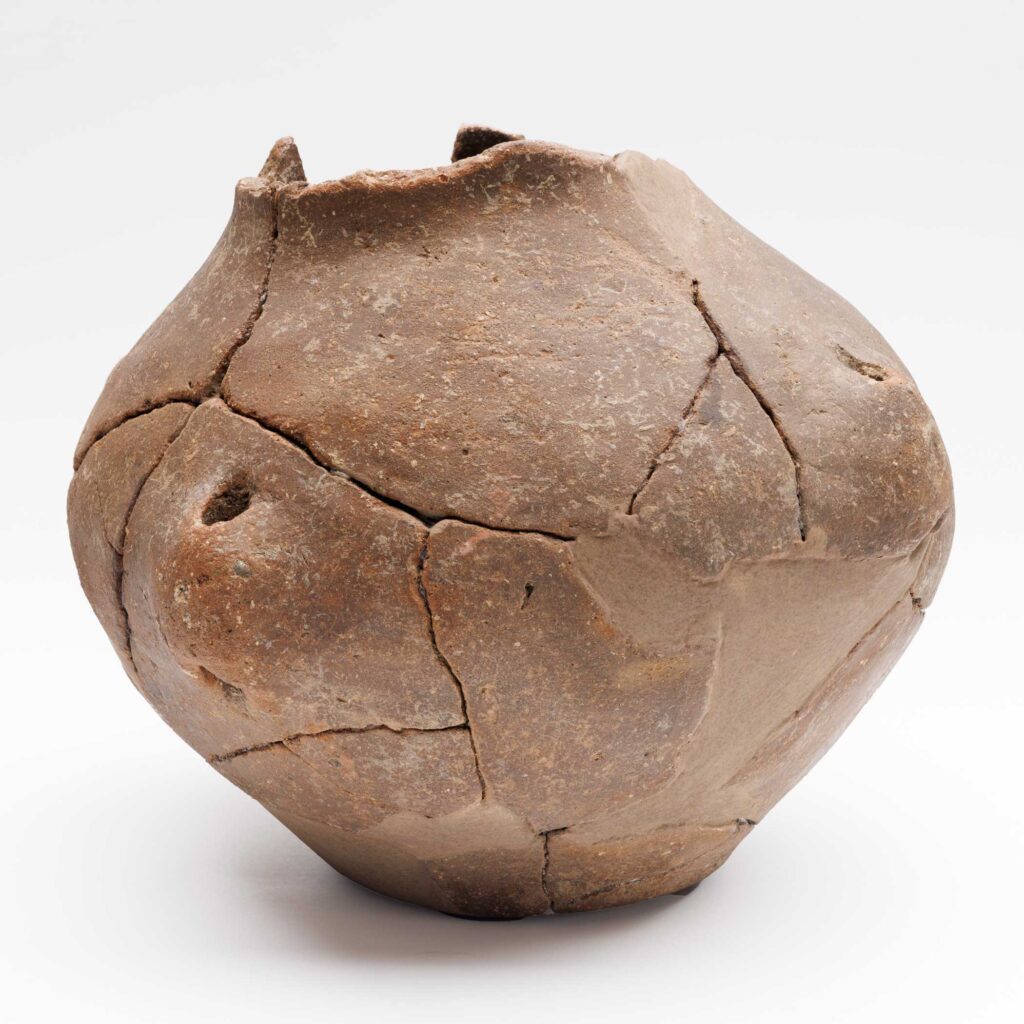
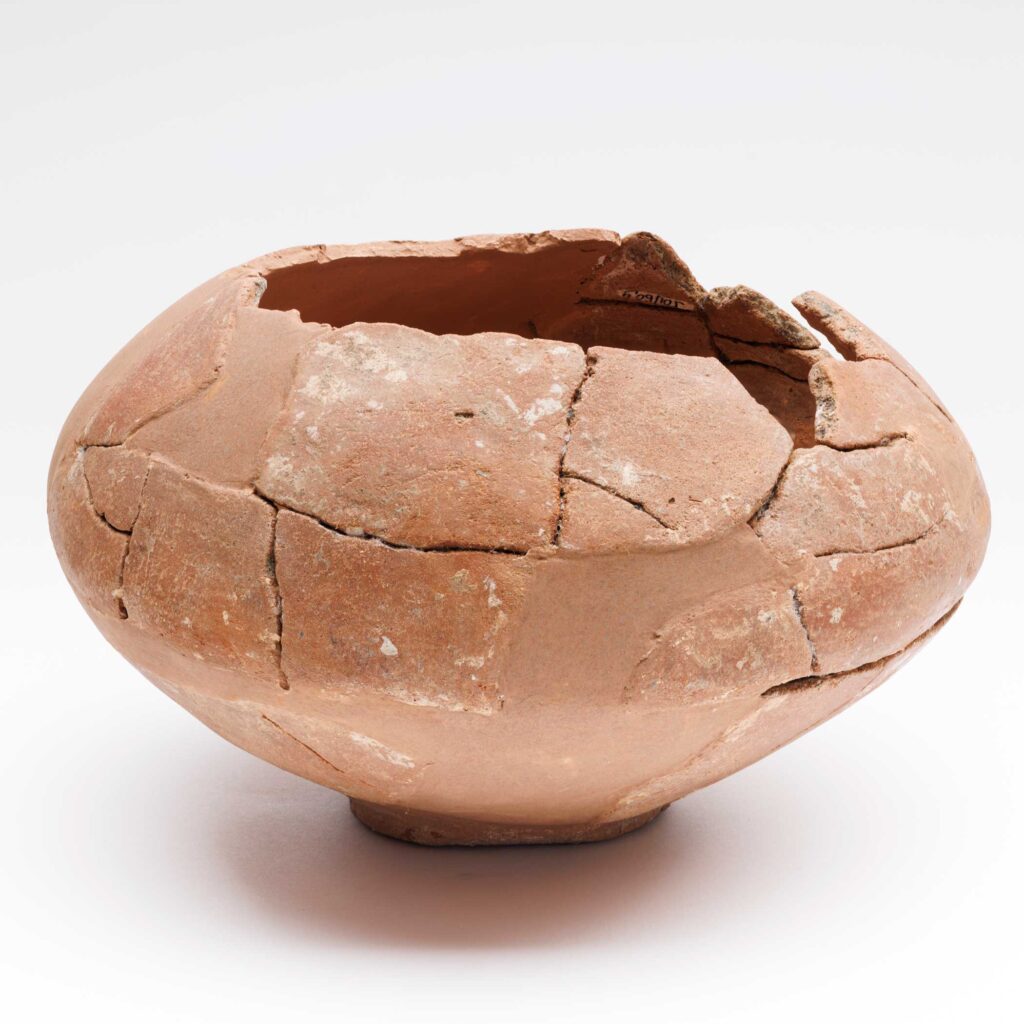
The ceramics from the Early Neolithic settlement of Brezhani form an extremely homogeneous group in terms of production technology, and the forms and decoration of the vessels.
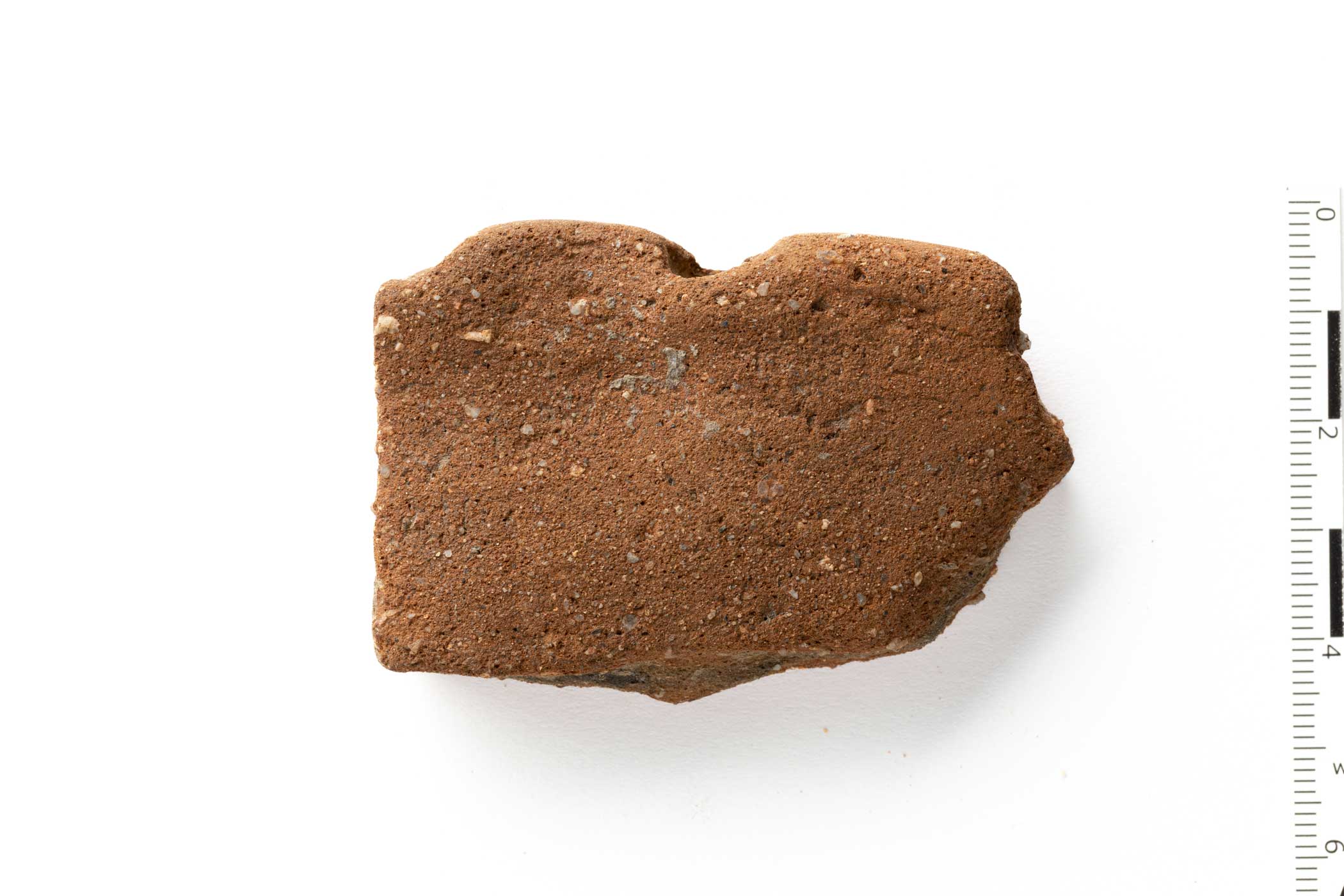
The settlement is hidden in the mountains and situated in a relatively inaccessible location, which for prehistory implies leading a harsh, somewhat primitive lifestyle. However, the ceramic indicators contradict this assumption. Fragments made from very well refined clay without impurities are eight times more numerous than those with organic additions. Some of them are thin-walled, with wall thicknesses between 4 and 5mm. Many of the fragments are decorated with white paint.
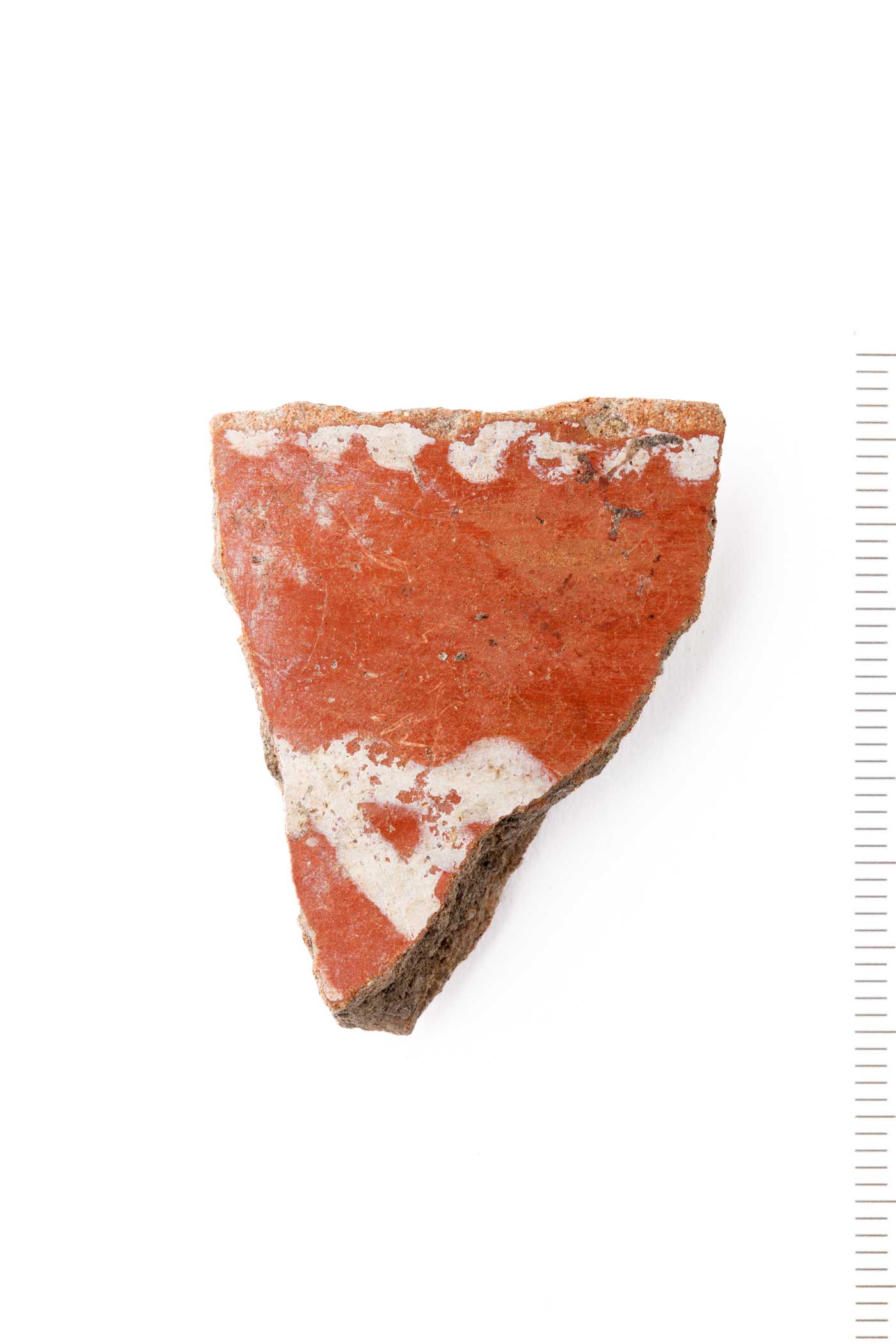
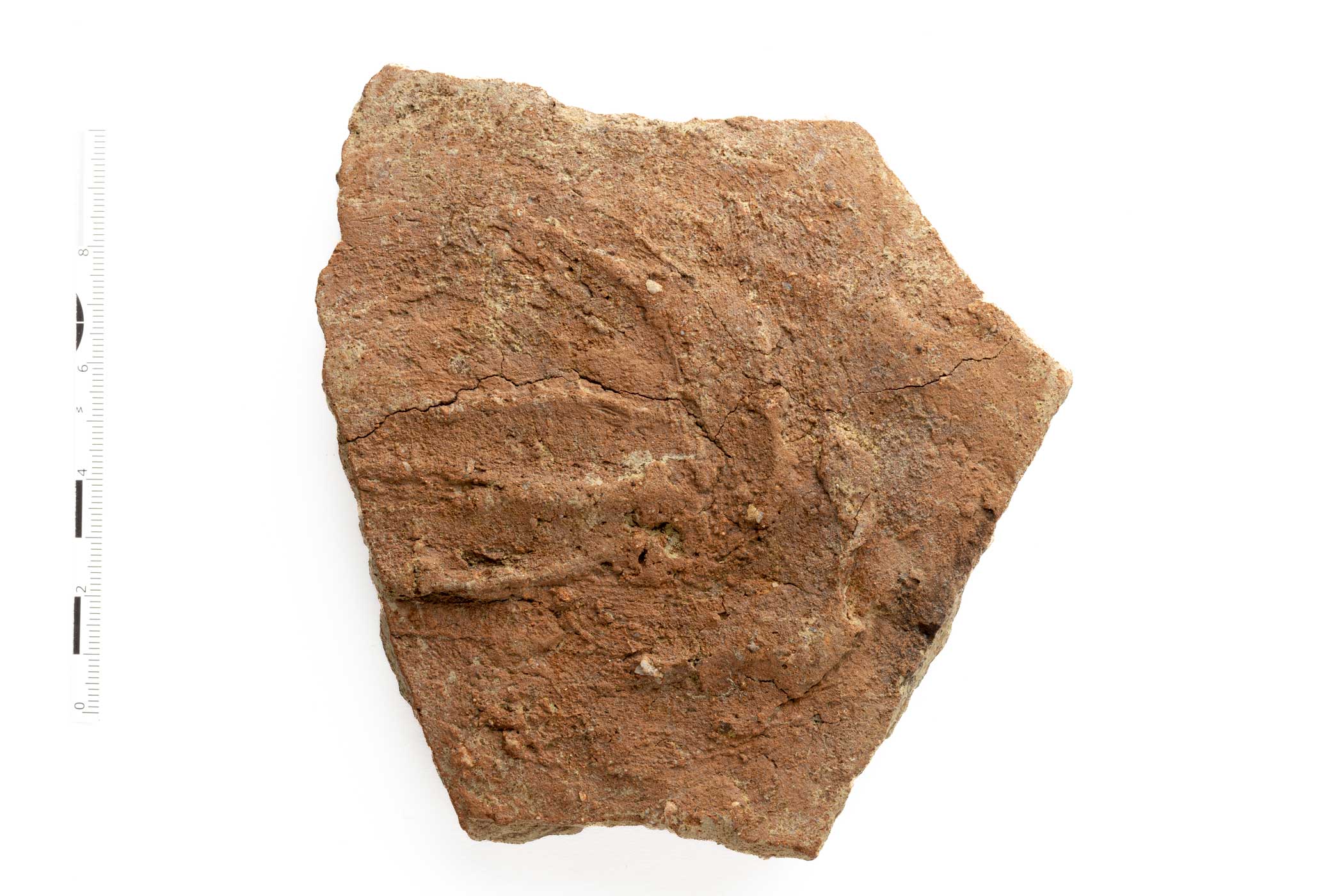
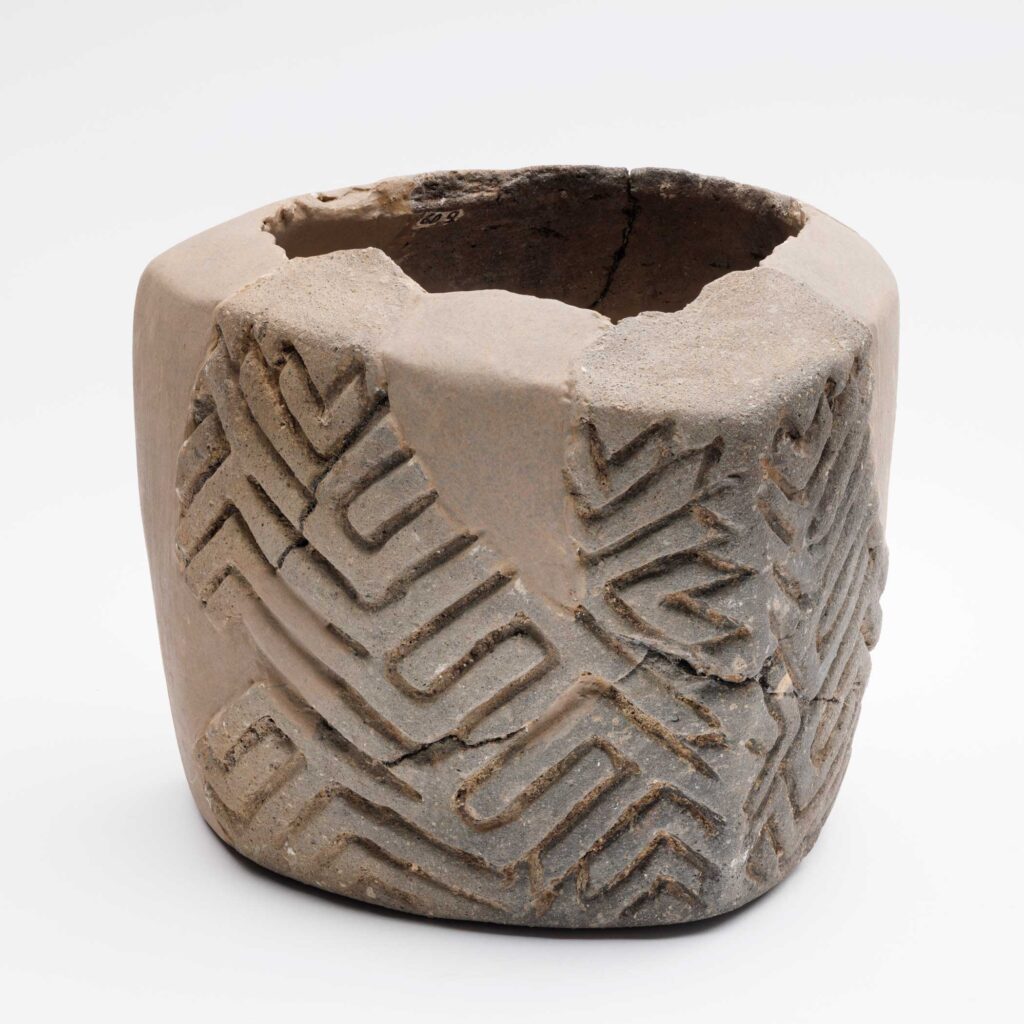
Thanks to a concentration of vessels uncovered in a burned house, we have several whole forms. Typical for the Brezhani assemblage is the presence of biconical bowls with a low, ring-shaped foot. Several such bowls were found in the house. One of them has traces of white painting. Of special note is a three-sided vessel with a remarkable decoration of carved grooves forming meanders. Its shape is completely unusual, but this style of decoration was quite popular during the Early Neolithic period, and is found on vessels of others specific shapes such as square or slightly cylindrical, and reminiscent of Greek pyxides. The tripartite shape of the vessel is strongly reminiscent of triangular table/altar pots, and this may also provide a clue to the interpretation of this vessel.
Whether all these vessels were made locally, or whether the best quality specimens were brought from other sites will be revealed by the detailed mineral-chemical-petrographic studies planned for the assemblage.